Insights
I've got valuable information and resources to share. Explore away! And check back often.


 Read Post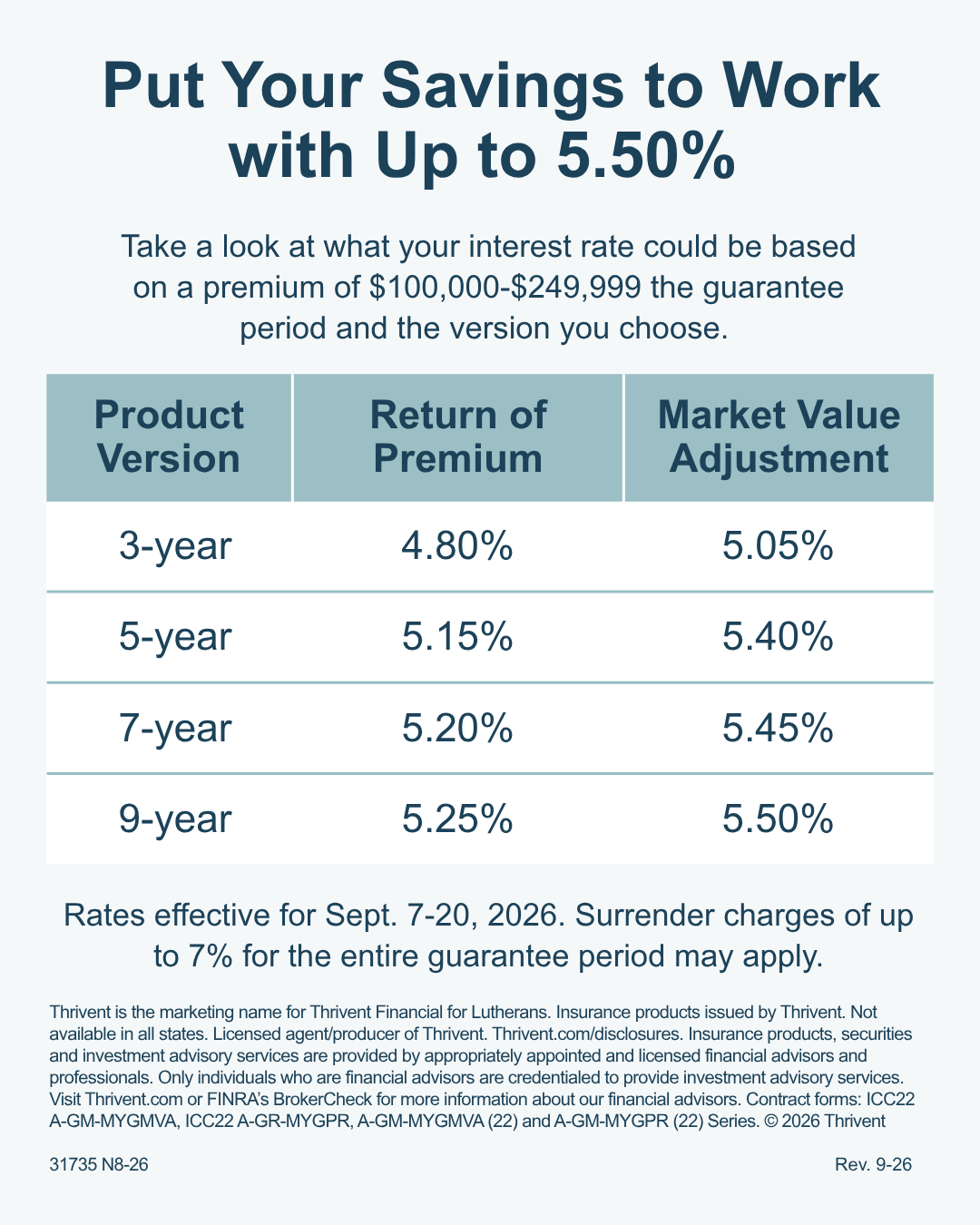
A Multi-Year Guarantee Annuity™️ allows you to lock in a guaranteed interest rate for a set period, making it a popular option for those looking to help add stability, predictable earnings, and reduced market uncertainty. Reach out if you'd like to discuss whether this type of solution could help support your retirement goals. For additional interest rates and other important information: https://bit.ly/4fIaSQk See thrivent.com/social for important disclosures.
A Multi-Year Guarantee Annuity™️ allows you to lock in a guaranteed interest rate for a set period, making it a popular option for those looking to help add stability, predictable earnings, and reduced market uncertainty. Reach out if you'd like to discuss whether this type of solution could help support your retirement goals. For additional interest rates and other important information: https://bit.ly/4fIaSQk See thrivent.com/social for important disclosures.
 Read Post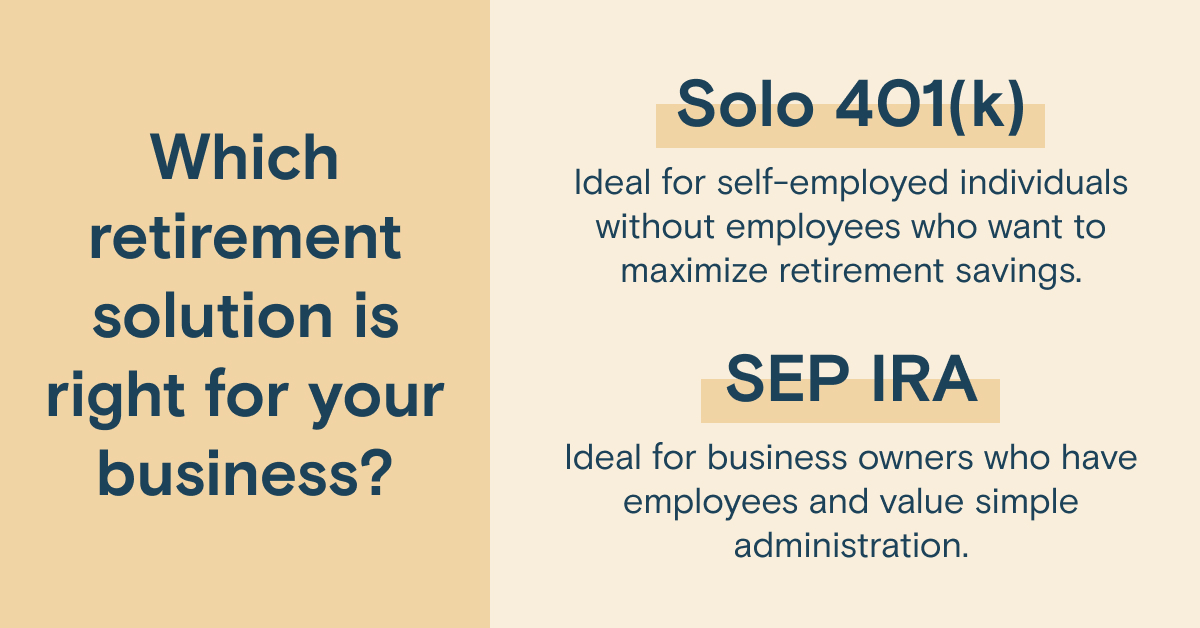
Is a Solo 401(k) or SEP IRA the better fit for you as a business owner? It depends on your priorities: higher contribution limits and flexibility or simple administration and ease of use. Go deeper here: https://bit.ly/4gR8mrN
Is a Solo 401(k) or SEP IRA the better fit for you as a business owner? It depends on your priorities: higher contribution limits and flexibility or simple administration and ease of use. Go deeper here: https://bit.ly/4gR8mrN


 Read Post
I want you to take a look at your bank account, your home, your kids' futures, the life you're building. Now ask yourself one question: what funds all of it? It's not your investment portfolio, at least, not yet. It's your ability to get up and earn. Your paycheck is the driver behind every goal you've ever written down. Here is something most of us between the ages of 25-55 don't want to address: you are statistically more likely to lose your income to illness or injury during your working years than to die. Yet so many of us insure the car, the phone, the house, even our vacations...and leave the very thing that pays for all of it completely exposed. Picture this: You or your spouse gets sick or injured and you or your spouse are unable to work for six months. A year. Maybe longer. What happens to the people who depend on you? Mortgage/rent is still due. Savings are being drained, if you even had a savings to begin with. You or your spouse pick up extra shifts, which means more time away from your family, more stress, and "someday" dreams being shelved. This isn't to frighten you, but it is to make you aware that financial planning is more than just adding zeroes to accounts. It also means hedging protections for when life happens to even the best laid plans. You and your family deserve that. Your move this week: Find out exactly what your employer's coverage actually replaces (most group plans cover far less than you think), and let's talk about the gap. A 20-minute conversation could be the difference between "we adjusted" and "we lost everything." Please see thrivent.com/social for important disclosures. #financialwellness #moneymoves #incomeprotection #Thrivent #familyfinances
I want you to take a look at your bank account, your home, your kids' futures, the life you're building. Now ask yourself one question: what funds all of it? It's not your investment portfolio, at least, not yet. It's your ability to get up and earn. Your paycheck is the driver behind every goal you've ever written down. Here is something most of us between the ages of 25-55 don't want to address: you are statistically more likely to lose your income to illness or injury during your working years than to die. Yet so many of us insure the car, the phone, the house, even our vacations...and leave the very thing that pays for all of it completely exposed. Picture this: You or your spouse gets sick or injured and you or your spouse are unable to work for six months. A year. Maybe longer. What happens to the people who depend on you? Mortgage/rent is still due. Savings are being drained, if you even had a savings to begin with. You or your spouse pick up extra shifts, which means more time away from your family, more stress, and "someday" dreams being shelved. This isn't to frighten you, but it is to make you aware that financial planning is more than just adding zeroes to accounts. It also means hedging protections for when life happens to even the best laid plans. You and your family deserve that. Your move this week: Find out exactly what your employer's coverage actually replaces (most group plans cover far less than you think), and let's talk about the gap. A 20-minute conversation could be the difference between "we adjusted" and "we lost everything." Please see thrivent.com/social for important disclosures. #financialwellness #moneymoves #incomeprotection #Thrivent #familyfinances
Read Post
Your income is often your most valuable asset. Are you doing enough to protect it? Let’s have a conversation about your disability insurance coverage. Together, we can explore: ➡️ How much coverage is appropriate for your unique financial situation. ➡️ If a supplemental policy in addition to your employer-provided coverage could benefit you. ➡️ What life events could impact your future coverage needs. Feel free to reach out when you’re ready to chat. See thrivent.com/social for important disclosures.
Your income is often your most valuable asset. Are you doing enough to protect it? Let’s have a conversation about your disability insurance coverage. Together, we can explore: ➡️ How much coverage is appropriate for your unique financial situation. ➡️ If a supplemental policy in addition to your employer-provided coverage could benefit you. ➡️ What life events could impact your future coverage needs. Feel free to reach out when you’re ready to chat. See thrivent.com/social for important disclosures.
