Insights
I've got valuable information and resources to share. Explore away! And check back often.


 Read Post
Life transitions come with new responsibilities, and taxes are often one of them. Marriage, welcoming a new baby or going through a divorce can all affect your filing status, tax deductions and overall tax picture. The IRS has a helpful resource that breaks down what to expect: https://bit.ly/48UOMp0 If you’ve recently experienced a major life change and have questions, feel free to reach out for guidance. See thrivent.com/social for important disclosures. Thrivent and its financial advisors and professionals do not provide legal, accounting or tax advice. Consult your attorney or tax professional.
Life transitions come with new responsibilities, and taxes are often one of them. Marriage, welcoming a new baby or going through a divorce can all affect your filing status, tax deductions and overall tax picture. The IRS has a helpful resource that breaks down what to expect: https://bit.ly/48UOMp0 If you’ve recently experienced a major life change and have questions, feel free to reach out for guidance. See thrivent.com/social for important disclosures. Thrivent and its financial advisors and professionals do not provide legal, accounting or tax advice. Consult your attorney or tax professional.
Read Post
"I will instruct you and teach you in the way you should go; I will counsel you with my loving eye upon you." - Psalm 32:8
"I will instruct you and teach you in the way you should go; I will counsel you with my loving eye upon you." - Psalm 32:8
Read Post
If you’re looking for simple ways to help reduce your taxable income, you may have more options than you realize. These 7 strategies can help you become more tax efficient over time. ➡️ https://bit.ly/3KB47mJ
If you’re looking for simple ways to help reduce your taxable income, you may have more options than you realize. These 7 strategies can help you become more tax efficient over time. ➡️ https://bit.ly/3KB47mJ
Read Post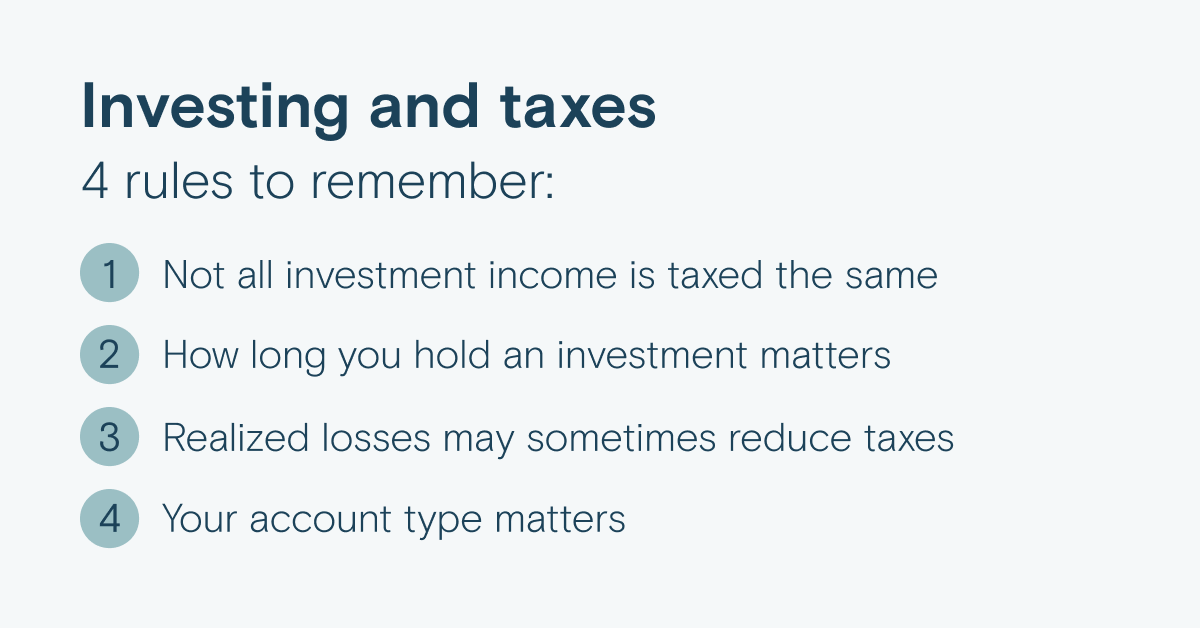
If you’re relatively new to investing, understanding the basics of how realized gains and losses are taxed can help you make smarter decisions. These 4 rules are a great place to start. 📌 For more, check out this guide: https://bit.ly/4p4h9Hn
If you’re relatively new to investing, understanding the basics of how realized gains and losses are taxed can help you make smarter decisions. These 4 rules are a great place to start. 📌 For more, check out this guide: https://bit.ly/4p4h9Hn
Read Post
Many people approaching retirement feel unprepared or unsure whether their investments are positioned appropriately for this stage of life. ➡️ Before refining your strategy, it helps to revisit three core factors: your goals, your time horizon and your risk tolerance. Together, they can reveal whether your current allocation still supports what you need in the years ahead. If you’re wondering whether you’re on track, let’s talk. We can review your investing strategy together and build a financial plan that supports you now—and throughout retirement. See thrivent.com/social for important disclosures.
Many people approaching retirement feel unprepared or unsure whether their investments are positioned appropriately for this stage of life. ➡️ Before refining your strategy, it helps to revisit three core factors: your goals, your time horizon and your risk tolerance. Together, they can reveal whether your current allocation still supports what you need in the years ahead. If you’re wondering whether you’re on track, let’s talk. We can review your investing strategy together and build a financial plan that supports you now—and throughout retirement. See thrivent.com/social for important disclosures.
 Read Post
“These things I have spoken to you, that my joy may be in you, and that your joy may be full.” - John 15:11
“These things I have spoken to you, that my joy may be in you, and that your joy may be full.” - John 15:11
Read Post
Did you know that, as clients with membership, we have the power to influence where Thrivent sends millions in grant funding each year? All you have to do is log in and decide where you want this year’s Choice Dollars®️ to go—be it a church, local charity or major nonprofit. Plus, Thrivent just made the experience easier and Choice Dollars are now available to every single member! I highly recommend taking advantage of this easy way to give back. Be sure to direct 2026 Choice Dollars and spread the word about this unique member benefit. See thrivent.com/social for important disclosures.
Did you know that, as clients with membership, we have the power to influence where Thrivent sends millions in grant funding each year? All you have to do is log in and decide where you want this year’s Choice Dollars®️ to go—be it a church, local charity or major nonprofit. Plus, Thrivent just made the experience easier and Choice Dollars are now available to every single member! I highly recommend taking advantage of this easy way to give back. Be sure to direct 2026 Choice Dollars and spread the word about this unique member benefit. See thrivent.com/social for important disclosures.