Insights
I've got valuable information and resources to share. Explore away! And check back often.
 Read Post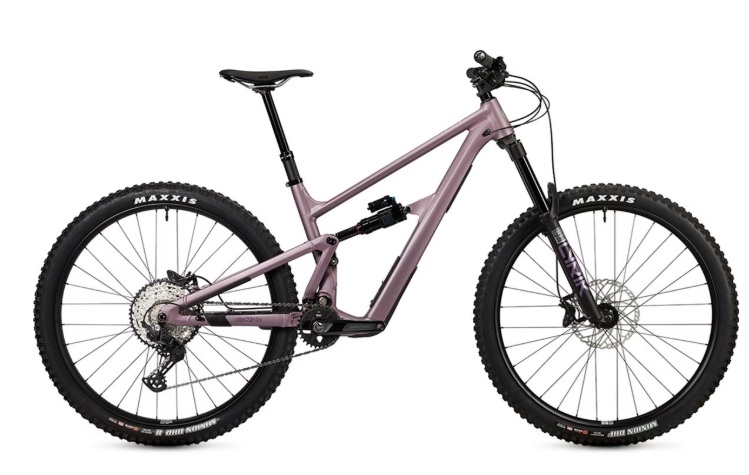
I made a decision this week that I am both proud of and a little sad about. I have been eyeing a new mountain bike for some time - not to replace my current bike but to compliment it. The bike I ride is actually great for where I live, but I find myself wanting something a little more aggressive when I travel. Last week, Katie and I were in Vermont to celebrate our 10th anniversary and I had the chance to demo the exact bike I have been eyeing, an Ibis Ripmo AF. It was absolutely everything I had expected it to be. Gobs of climbing traction, a slacker head tube with really excellent descending and a great fit for me. Just the bike I want for all-day rides in the mountains. Katie even gave me permission to buy one. So, or course, I looked online and regionally (no local Ibis dealers), found the one I want in the color I want, and decided not to buy it. Why? I looked back at my key values: Family, Integrity, Exercise, Faith, & Autonomy. I decided that NOT buying the bike would support my values of Autonomy & Family. How is that? I have a little bit of debt - a car payment - that I would rather pay down/off in order to increase my autonomy (I have fewer payments to make/less debt to service/less of a tether to the bank) which improves my family's situation by making us less income-dependent and, at least theoretically, less stressed about where our money "has" to go on a monthly basis. My belief is that if this bike is meant to be mine, and I have been a good steward of God's blessings, the opportunity to buy it will come back around and I will be in a better situation to snatch it up. If not, that's OK too - life goes on. a little sad? Yes. Proud of my decision? Yes. see thrivent.com/social for important disclosures.
I made a decision this week that I am both proud of and a little sad about. I have been eyeing a new mountain bike for some time - not to replace my current bike but to compliment it. The bike I ride is actually great for where I live, but I find myself wanting something a little more aggressive when I travel. Last week, Katie and I were in Vermont to celebrate our 10th anniversary and I had the chance to demo the exact bike I have been eyeing, an Ibis Ripmo AF. It was absolutely everything I had expected it to be. Gobs of climbing traction, a slacker head tube with really excellent descending and a great fit for me. Just the bike I want for all-day rides in the mountains. Katie even gave me permission to buy one. So, or course, I looked online and regionally (no local Ibis dealers), found the one I want in the color I want, and decided not to buy it. Why? I looked back at my key values: Family, Integrity, Exercise, Faith, & Autonomy. I decided that NOT buying the bike would support my values of Autonomy & Family. How is that? I have a little bit of debt - a car payment - that I would rather pay down/off in order to increase my autonomy (I have fewer payments to make/less debt to service/less of a tether to the bank) which improves my family's situation by making us less income-dependent and, at least theoretically, less stressed about where our money "has" to go on a monthly basis. My belief is that if this bike is meant to be mine, and I have been a good steward of God's blessings, the opportunity to buy it will come back around and I will be in a better situation to snatch it up. If not, that's OK too - life goes on. a little sad? Yes. Proud of my decision? Yes. see thrivent.com/social for important disclosures.
Read PostNational Nonprofit Day has me reflecting on some of the most inspiring people I get to work with. Over the years, I've had the privilege of sitting across the table from nonprofit and church leaders, board members, volunteers, and donors who are deeply committed to making their communities better. What often strikes me is that the people behind these organizations aren't focused on recognition. They're focused on people. They're feeding families, supporting students, caring for those in need, preserving community treasures, advancing causes they believe in, and creating opportunities for future generations. As a financial advisor, one of the most meaningful parts of my work is helping nonprofits think beyond today's needs and build a foundation for tomorrow. Whether it's establishing an endowment, developing a planned giving program, or helping donors leave a legacy, the goal is always the same: ensuring that the causes we believe in can continue after we're gone. These conversations are about values, purpose, and impact and creating something that outlives all of us, not about money. Today, on National Nonprofit Day, I'm grateful for the organizations that make our communities stronger and for the donors and volunteers who make that work possible. Thank you for everything you do, often behind the scenes, to improve the lives of others.
National Nonprofit Day has me reflecting on some of the most inspiring people I get to work with. Over the years, I've had the privilege of sitting across the table from nonprofit and church leaders, board members, volunteers, and donors who are deeply committed to making their communities better. What often strikes me is that the people behind these organizations aren't focused on recognition. They're focused on people. They're feeding families, supporting students, caring for those in need, preserving community treasures, advancing causes they believe in, and creating opportunities for future generations. As a financial advisor, one of the most meaningful parts of my work is helping nonprofits think beyond today's needs and build a foundation for tomorrow. Whether it's establishing an endowment, developing a planned giving program, or helping donors leave a legacy, the goal is always the same: ensuring that the causes we believe in can continue after we're gone. These conversations are about values, purpose, and impact and creating something that outlives all of us, not about money. Today, on National Nonprofit Day, I'm grateful for the organizations that make our communities stronger and for the donors and volunteers who make that work possible. Thank you for everything you do, often behind the scenes, to improve the lives of others.
Read Post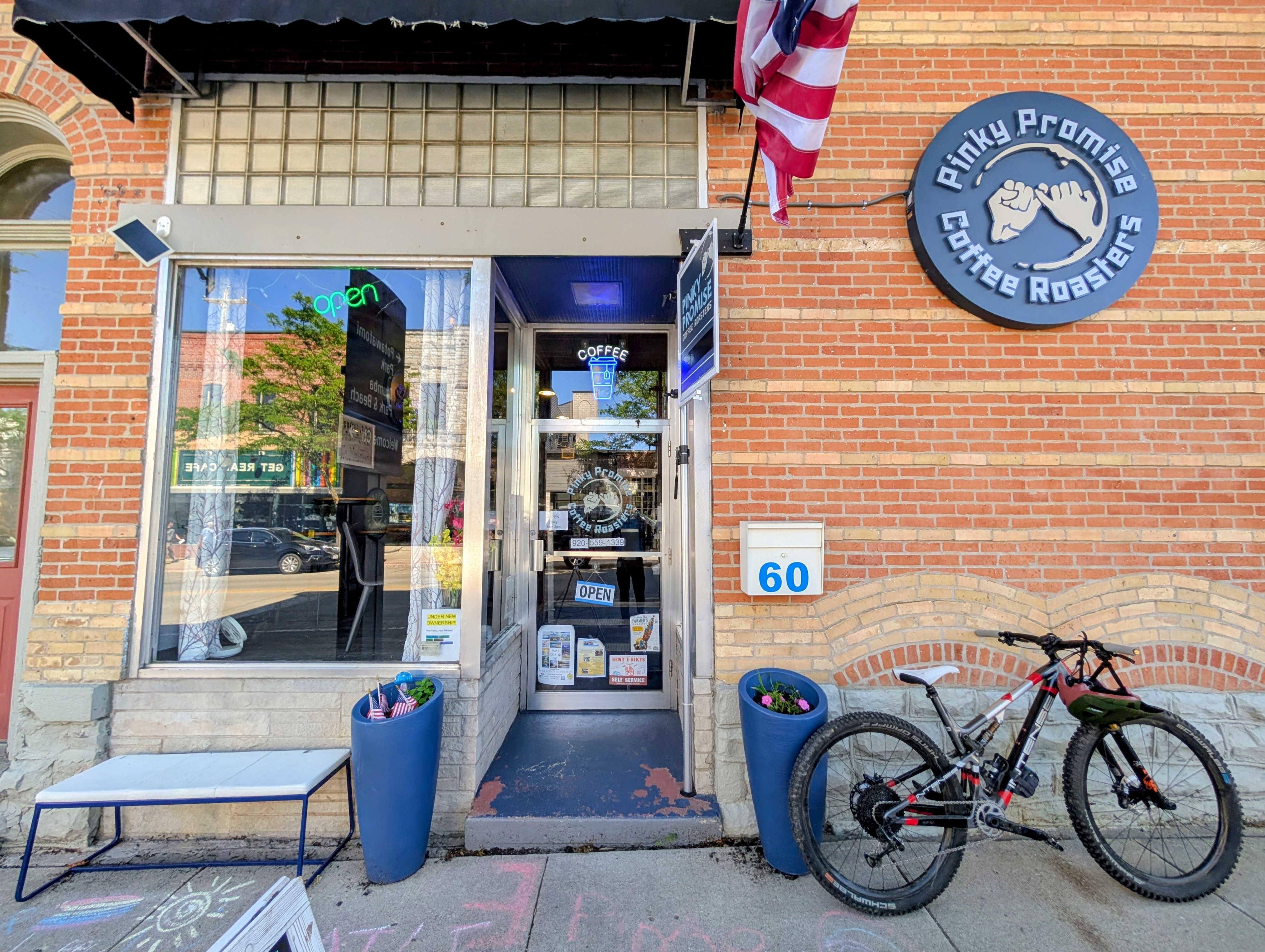
This feels weird to say, but for the first time in nine years of having an office "in the city," I ran an errand on my bike. I walk a lot of places, but it's never occurred to me to ride my bike 🤷
This feels weird to say, but for the first time in nine years of having an office "in the city," I ran an errand on my bike. I walk a lot of places, but it's never occurred to me to ride my bike 🤷
Read PostPersonal life planning never crosses your mind What the owner thinks: “I’ll play golf everyday and spend time with my grandkids.” Truth: About 95% of owners regret selling their business one year after the sale. • Former owners feel like they have lost their purpose • Family members have their own lives and can likely only spend so much time with you • A round of golf only takes 4-6 hours; that leaves a lot of unaccounted for time in the day Plan now for what comes next: • Find a community important to you and lean into it • Find a hobby where you build or grow something – same feedback as business building See thrivent.com/social for important disclosures
Personal life planning never crosses your mind What the owner thinks: “I’ll play golf everyday and spend time with my grandkids.” Truth: About 95% of owners regret selling their business one year after the sale. • Former owners feel like they have lost their purpose • Family members have their own lives and can likely only spend so much time with you • A round of golf only takes 4-6 hours; that leaves a lot of unaccounted for time in the day Plan now for what comes next: • Find a community important to you and lean into it • Find a hobby where you build or grow something – same feedback as business building See thrivent.com/social for important disclosures
Read PostPersonal financial planning is often neglected but is essential What clients think: “I’ll focus on my personal plan once the business settles down.” Truth: That moment almost never comes. A strong personal plan actually: • Improves decision-making within the business • Reduces pressure to take bad deals • Creates negotiating leverage during exits Run two parallel plans: • Business plan (growth, operations, exit) • Personal plan (cash flow, protection, independence) See thrivent.com/social for important disclosures
Personal financial planning is often neglected but is essential What clients think: “I’ll focus on my personal plan once the business settles down.” Truth: That moment almost never comes. A strong personal plan actually: • Improves decision-making within the business • Reduces pressure to take bad deals • Creates negotiating leverage during exits Run two parallel plans: • Business plan (growth, operations, exit) • Personal plan (cash flow, protection, independence) See thrivent.com/social for important disclosures

 Read Post
Truth #2: Your business has hidden risks What the owner thinks: “My biggest risk is the market.” Truth: Your business faces any number of risks including: • Concentration risk, industry risk, political (regulation) risk, and owner knowledge risk • One disruption (disability, loss of a client, regulation change) can cause major problems De-risk in layers: • Income protection (disability, overhead expense, Key person) • Build out missing contingency plans • Identify and move to mitigate business risks See thrivent.com/social for important disclosures
Truth #2: Your business has hidden risks What the owner thinks: “My biggest risk is the market.” Truth: Your business faces any number of risks including: • Concentration risk, industry risk, political (regulation) risk, and owner knowledge risk • One disruption (disability, loss of a client, regulation change) can cause major problems De-risk in layers: • Income protection (disability, overhead expense, Key person) • Build out missing contingency plans • Identify and move to mitigate business risks See thrivent.com/social for important disclosures
Read PostThis week: Five Truths about Transitioning a Business Truth #1 The business is just one asset What the owner thinks: “My business is my retirement plan.” Truth: Your business is an asset, not a guaranteed outcome. o Build wealth outside the business while positioning the business to keep your options open and have flexibility. • Most owners significantly overestimate or underestimate the future sale value • Many businesses are not transferable without the owner • Liquidity events are often delayed, discounted, or never happen See thrivent.com/social for important disclosures
This week: Five Truths about Transitioning a Business Truth #1 The business is just one asset What the owner thinks: “My business is my retirement plan.” Truth: Your business is an asset, not a guaranteed outcome. o Build wealth outside the business while positioning the business to keep your options open and have flexibility. • Most owners significantly overestimate or underestimate the future sale value • Many businesses are not transferable without the owner • Liquidity events are often delayed, discounted, or never happen See thrivent.com/social for important disclosures
Read Post
A few days ago, I saw a post from Eric Bostic that mentioned “Dollar Dribbling.” For an individual, dollar dribbling is the sort of small, unchecked & often untracked spending that adds up over time. To pick on coffee – which I drink a lot of – looking at $6/day every work day, that’s about $1,560 per year on coffee. Over 10 years, that’s $15,600. For a small business, that can be multiplied since we generally see more expense and more transactions. To find some of these little leaks or dribbles, you might think about: Payment processing fees (which can slowly creep up over time), unused software licenses, daily utilities, office supplies, and small service fees. In my business, I have a habit of signing up for things – courses, training, software - whatever, and not using them or at least not effectively. I found about $300 last month in subscriptions that I wasn’t using to their potential and opted to cancel the subscription since I wasn’t making enough time to use them. When you’re looking at improving your business value, tracking your spending regularly and taking a look at the little dollars can help uncover some lost cash flow and possibly some bigger spending problems. See thrivent.com/social for important disclosures
A few days ago, I saw a post from Eric Bostic that mentioned “Dollar Dribbling.” For an individual, dollar dribbling is the sort of small, unchecked & often untracked spending that adds up over time. To pick on coffee – which I drink a lot of – looking at $6/day every work day, that’s about $1,560 per year on coffee. Over 10 years, that’s $15,600. For a small business, that can be multiplied since we generally see more expense and more transactions. To find some of these little leaks or dribbles, you might think about: Payment processing fees (which can slowly creep up over time), unused software licenses, daily utilities, office supplies, and small service fees. In my business, I have a habit of signing up for things – courses, training, software - whatever, and not using them or at least not effectively. I found about $300 last month in subscriptions that I wasn’t using to their potential and opted to cancel the subscription since I wasn’t making enough time to use them. When you’re looking at improving your business value, tracking your spending regularly and taking a look at the little dollars can help uncover some lost cash flow and possibly some bigger spending problems. See thrivent.com/social for important disclosures
Read Post
Back on the BC days (before children) I was super involved in my local community... non-profit boards, coaching track & field, scoutmaster, working with my church's youth group, etc. Once our twins were born, I backed out of everything to build my business and raise two littles. Now they're bigger and I've been getting involved again, but with them and it's been AWESOME! I am super proud that this past Sunday I was able to organize our areas first all-ages family mountain bike group! We had experiences riders and first timers and options for everyone. We put in about 4 miles as a group and had tons of fun! Oh, and we got that dog, Jerome!
Back on the BC days (before children) I was super involved in my local community... non-profit boards, coaching track & field, scoutmaster, working with my church's youth group, etc. Once our twins were born, I backed out of everything to build my business and raise two littles. Now they're bigger and I've been getting involved again, but with them and it's been AWESOME! I am super proud that this past Sunday I was able to organize our areas first all-ages family mountain bike group! We had experiences riders and first timers and options for everyone. We put in about 4 miles as a group and had tons of fun! Oh, and we got that dog, Jerome!